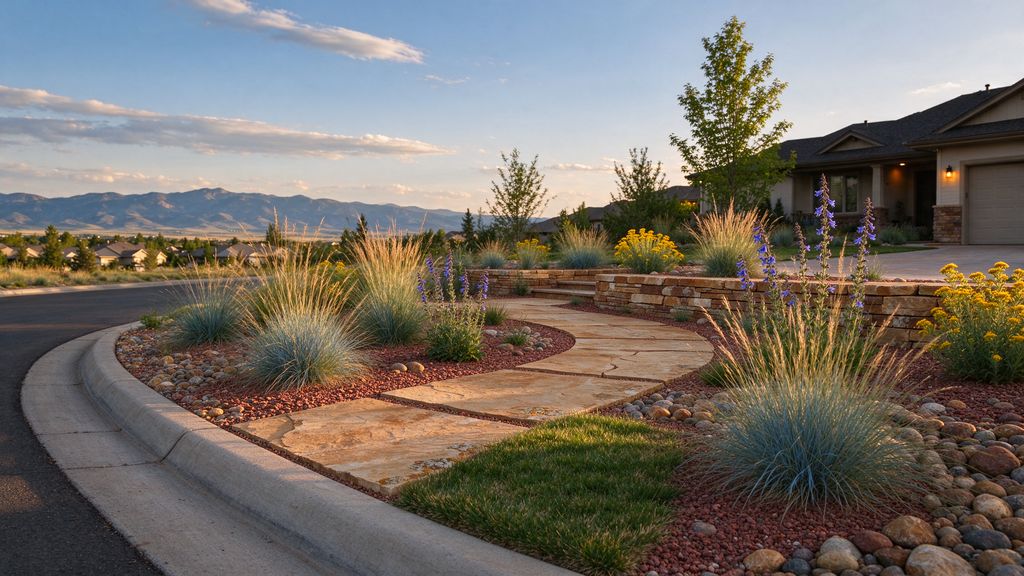
Why native and regionally adapted plants work here
Plants that evolved on the high plains and foothills already handle what a Parker yard throws at them: intense sun at altitude, drying wind, cold nights, alkaline clay and long dry spells. Once established, many need little supplemental water, and they support native bees and other pollinators that ornamental imports often do not.
The word native gets used loosely, though. Some excellent performers here are not native to Colorado but are well adapted, such as catmint, lavender and blue mist spirea. Plant Select, a program run with Denver Botanic Gardens and Colorado State University, tests both natives and adapted plants for the region. That list is a better starting point than generic drought-tolerant labels at big box stores.
How deer and rabbits choose
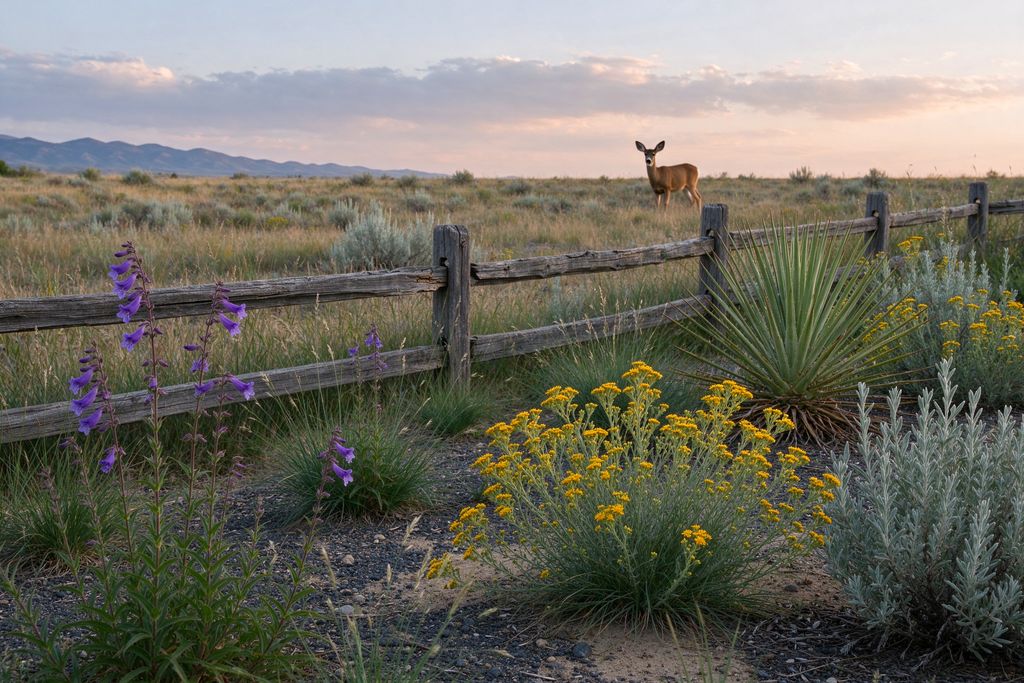
Mule deer move through much of Parker along creek corridors, open space and the edges of neighborhoods, and they are common around Franktown and Castle Rock. They browse rather than graze, nipping tender tips, buds and flowers. Generally they avoid plants that are aromatic, fuzzy, spiny, leathery or bitter. They favor tulips, hostas, roses, daylilies, arborvitae and many fruit trees, which is why those struggle in exposed front yards.
Behavior changes with the season and the year. Spring growth on almost anything is tempting, dry summers push deer into irrigated yards, and fawns sample plants their mothers skip. Plan for resistance, not immunity.
Walk your street in early spring and note what is untouched in yards that back onto open space. That is the most reliable deer list you will find for your exact block.
Plant groups that hold up
Grasses
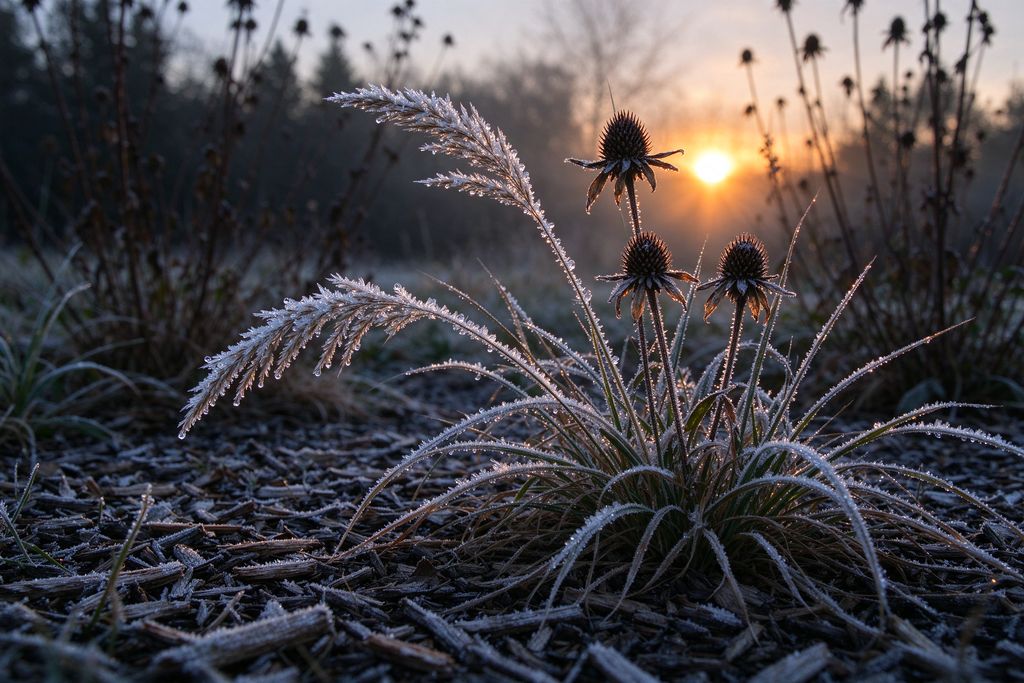
Blue grama, little bluestem, sideoats grama and switchgrass handle sun, wind and clay, look good through winter, and are rarely browsed. Ornamental grasses also recover quickly after hail, which matters in June.
Perennials
Penstemons in many forms, yarrow, blanketflower, prairie zinnia, chocolate flower, sulphur flower buckwheat, agastache, catmint and hardy salvias. Most want sun and good drainage, so plant them on slight mounds or slopes rather than in low spots on clay.
Shrubs
Rabbitbrush, Apache plume, fernbush, three-leaf sumac, mountain mahogany and blue mist spirea fit dry beds. Rabbits may chew young stems, so cage new shrubs for the first winter.
Groundcovers and accents
Creeping veronica, ice plant in the right spots, and pussytoes fill gaps between stepping stones; yucca and cholla add structure in the driest zones. Keep spiny plants away from paths and play areas.
Placing plants by sun, wind and water
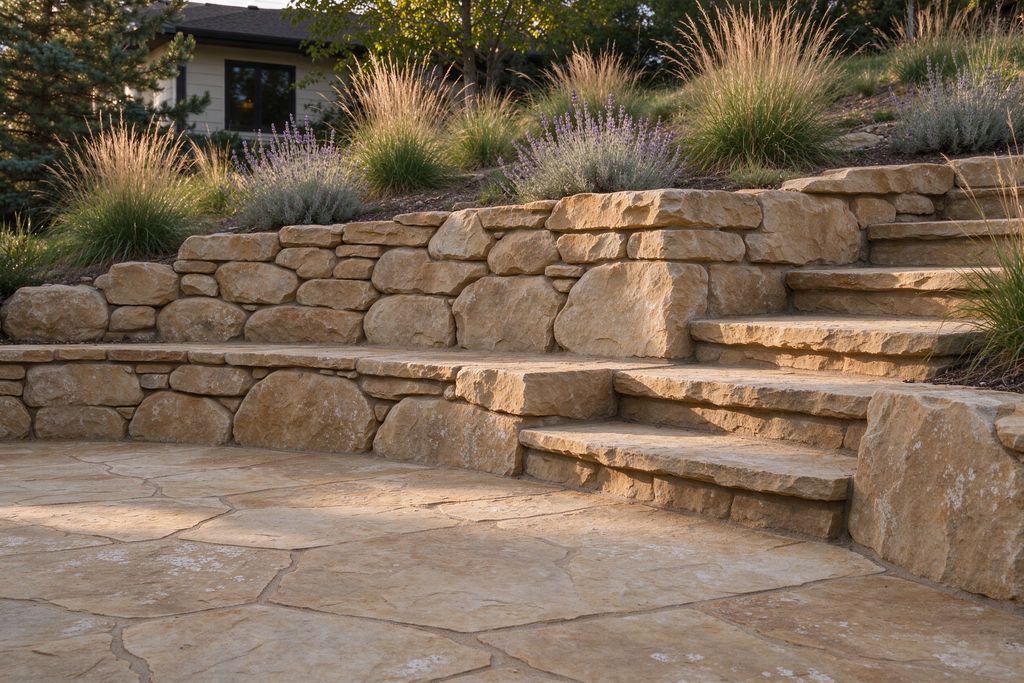
Group plants that share water needs so they can share an irrigation zone, as the xeriscape guide explains. On the south and west sides of a house, choose the toughest dryland plants, because reflected heat and wind dry those beds first. North sides suit plants that like a bit more moisture and cooler roots. Low spots that collect water need plants tolerant of occasional wet clay, or better, regrading.
Spacing matters too. Natives look sparse the first year and full by the third. Plant at the spacing for mature size and fill gaps with mulch rather than crowding, which invites disease and constant thinning later.
Protecting new plantings
- Cages and netting. Wire cages around young shrubs and perennials for the first season or two stop both rabbits and deer while roots develop.
- Fencing. Deer clear fences easily, so effective deer fencing is tall. Check HOA and town rules on fence height and style before building one.
- Repellents. Scent and taste repellents work for a while and need reapplying, especially after rain. Rotate products so deer do not get used to one.
- Placement. Put favorite plants close to the house, inside fenced areas, and use resistant plants on the exposed edges.
Establishment: the first two seasons
Drought tolerance comes from deep roots, and roots take time. During the first growing season, water new plants deeply and regularly, then stretch the interval as they settle. Drip irrigation on its own zone makes this easy and can be turned down once plants are established. Through dry winters, water new plantings on mild days when the soil is not frozen. Avoid heavy fertilizer, which pushes soft growth that deer and hail both target.
For trees and larger shrubs that might be damaged by heavy snow or hail, see the hail and freeze guide.