
What xeriscape means in Parker
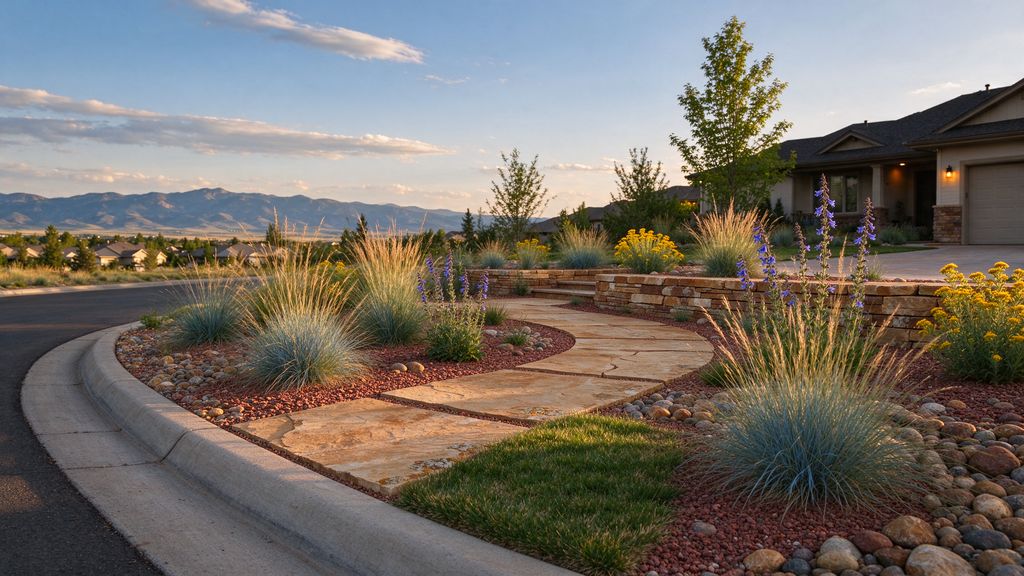
Xeriscape is a planning method, not a look. The idea is simple: use water where it does the most good, group plants by how much they need, and build soil, mulch and irrigation to match. Done well, a xeriscape in Parker looks like a garden. Done badly, it looks like a parking lot with a few yuccas.
The local reason to care is obvious from a summer water bill. Parker gets modest precipitation, much of it as spring snow and summer thunderstorms that run off clay instead of soaking in. Bluegrass lawns stay green here because they are irrigated, often more than they need. Cutting that waste is where most of the savings come from, well before you remove any lawn at all.
Replacing turf with rock and leaving the old spray heads in place. The sprinklers keep running on a schedule built for grass, water runs across stone, and weeds thrive in the wet gravel. Change the irrigation when you change the planting.
Start with the site, not the plant list
Before choosing a single plant, spend a few days looking at the yard the way water and sun see it. South- and west-facing beds against a house or fence get reflected heat and dry out first. North sides hold snow into spring. Low spots collect runoff from downspouts and driveways. Wind usually comes hardest from the west and north on open lots, which matters a lot in Elizabeth and on the edges of Parker that face open space.
Clay changes the plan as well. Water soaks into clay slowly, so a sprinkler that puts down water quickly creates runoff long before the root zone is wet. In parts of Douglas County the clay is expansive, swelling when wet and shrinking as it dries. That makes one rule non-negotiable: keep heavily watered beds and turf away from the foundation, and keep the grade sloping away from the house. Many builders and soils engineers recommend a dry zone next to the foundation; check the guidance that came with your home.
Map your hydrozones
A hydrozone is an area where every plant wants roughly the same amount of water. Most Parker yards end up with three: a moderate zone (lawn, vegetables, some shrubs), a low zone (established perennials and grasses that want occasional deep watering) and a very low zone (natives that survive on rainfall once established). Draw them on a site plan. Each one should become its own irrigation zone, which is the step most DIY redesigns skip.
Soil, mulch and the clay question
The instinct is to fix clay by hauling in yards of compost everywhere. For water-wise planting that can backfire. Many native and xeric plants come from lean, mineral soils and get floppy or short-lived in rich beds. A better approach is targeted:
- Turf and thirsty beds. Work in a few inches of quality compost before planting so roots can go deeper and water soaks in.
- Dryland and native beds. Loosen the native soil, add little or no compost, and plant into it. These plants are built for it.
- Mulch everywhere you plant. Wood mulch suits shrubs and moderate beds. Gravel, crusher fines or small rock suit dryland plants that dislike wet crowns.
Mulch does more work here than in wetter climates. It slows evaporation in wind, keeps soil from crusting and evens out the freeze and thaw cycle that heaves young plants out of the ground in winter. Keep wood mulch a few inches away from stems and away from the house siding.
Keep lawn where it earns its water
Water-wise does not mean no lawn. A patch of turf is the best surface for kids, dogs and a game of catch, and it cools the ground around it. The question is how much and where. Narrow strips between a sidewalk and the street, steep slopes and shady corners where grass struggles are the usual candidates for conversion. A rectangle in the backyard that gets played on is usually worth keeping.
When you keep turf, consider the grass itself. Kentucky bluegrass is the regional default for sod. Turf-type tall fescue roots deeper and handles heat better. Buffalograss and blue grama are native warm-season grasses that need much less water but go tan in the cool months, which some HOAs and owners dislike. The sod vs seed guide covers grass choices and timing in more detail.
Irrigation that matches the plan
This is where a xeriscape either works or quietly fails. The planting plan only saves water if the irrigation system respects the hydrozones:
- Spray or rotor heads for turf only, with matched precipitation within each zone.
- Drip or micro-irrigation for shrubs, perennials and trees, on separate valves.
- Dryland zones either on a drip zone used only during establishment, or with no permanent irrigation at all.
- A controller that can run zones on different schedules, ideally a weather-based model, with a rain or freeze sensor.
The irrigation and blowout guide goes through design and winterizing step by step. Before any redesign, find out who supplies your water and what its current rules are; providers set watering days, hours and drought stages, and those change.
If you are thinking about a turf replacement incentive, ask your water provider before you remove anything. Programs usually require pre-approval, and some require specific plant coverage or irrigation changes.
Choosing plants for wind, sun and deer
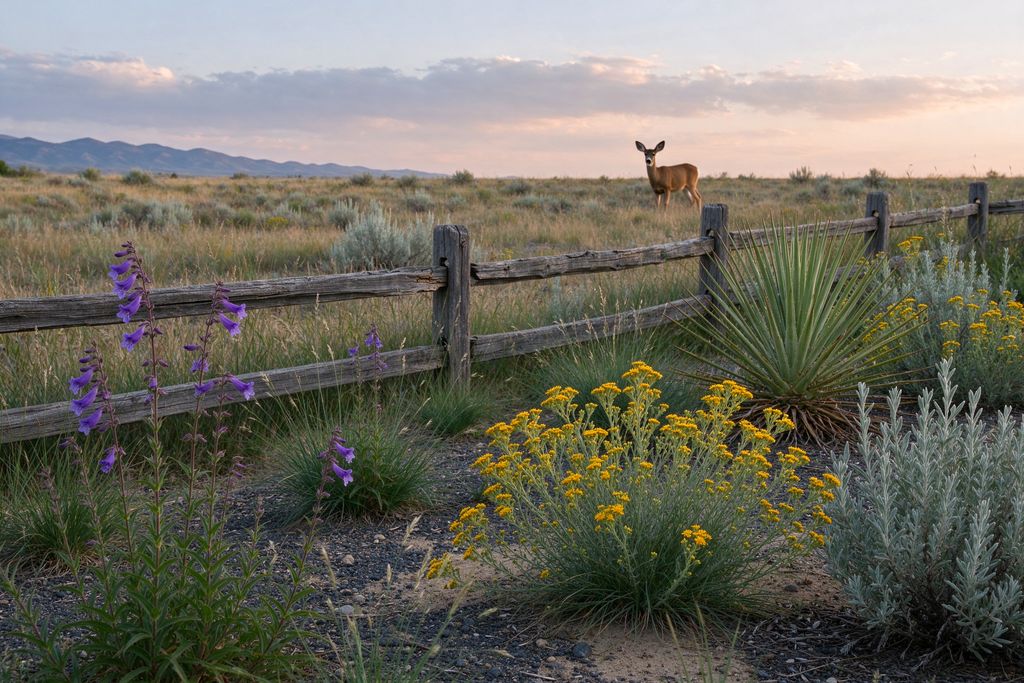
Pick plants for the zone they will live in, not the photo on the tag. Full-sun dryland zones suit native grasses such as blue grama and little bluestem, penstemons, sulphur flower, rabbitbrush and Apache plume. Moderate zones can carry catmint, lavender, hardy salvias and shrubs like serviceberry. Look for plants promoted through Plant Select, a Colorado program run with Denver Botanic Gardens and Colorado State University that tests plants for the region.
Deer and rabbits matter in much of Parker, Franktown and Castle Rock. Aromatic, fuzzy and tough-leaved plants tend to get browsed less, although nothing is truly deer-proof. The native and deer-resistant plants guide has longer lists by sun and water need.
Phasing a redesign over two or three seasons
Few people convert a whole yard at once, and there is no need to. A sensible order for Parker looks like this: fix grading and drainage, convert the irrigation and remove turf in the first phase area, plant in late spring once frost risk drops, then repeat in the next area the following year. Fall is also a good planting window for many perennials and shrubs, as long as they go in early enough to root before the ground freezes.
Keep a copy of every plan you submit to the HOA and every irrigation change, including where drip lines and valves were moved. The next person who works on the yard, including you, will be glad of it.